The Kintsugi Way

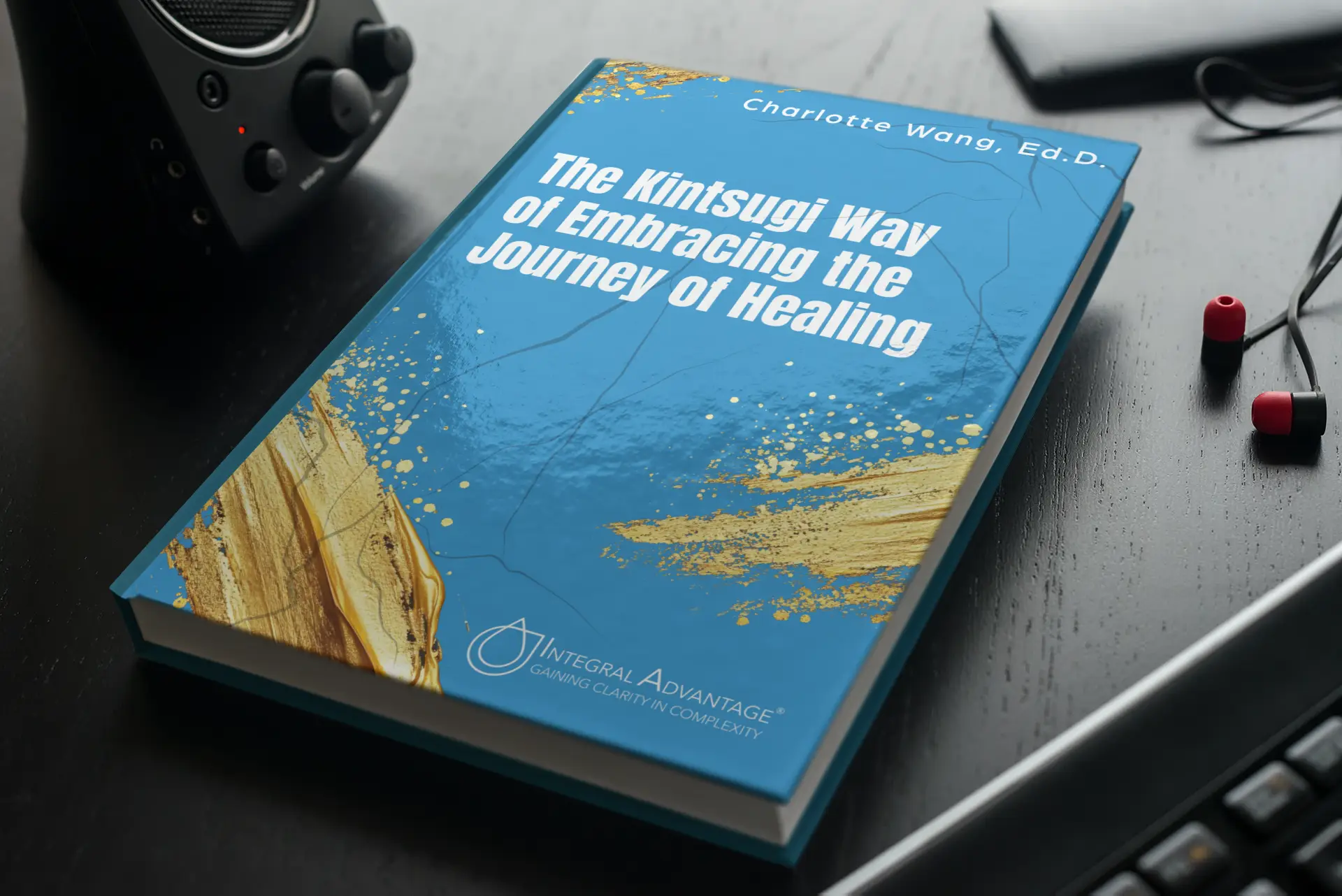
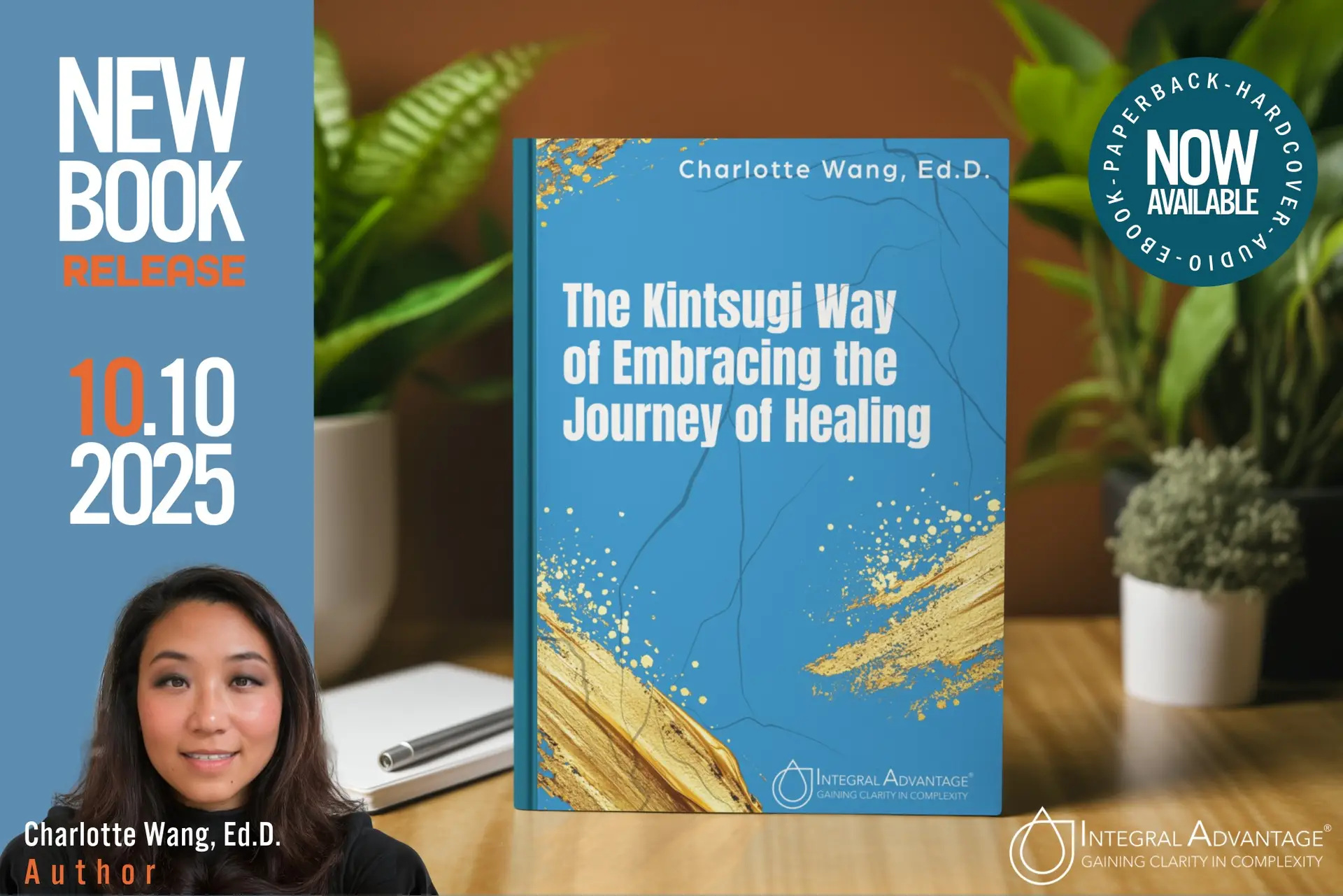
Welcome to the The Kintsugi Way of Embracing the Journey of Healing, a powerful new book by Dr. Charlotte Wang, released on October 10, 2025.

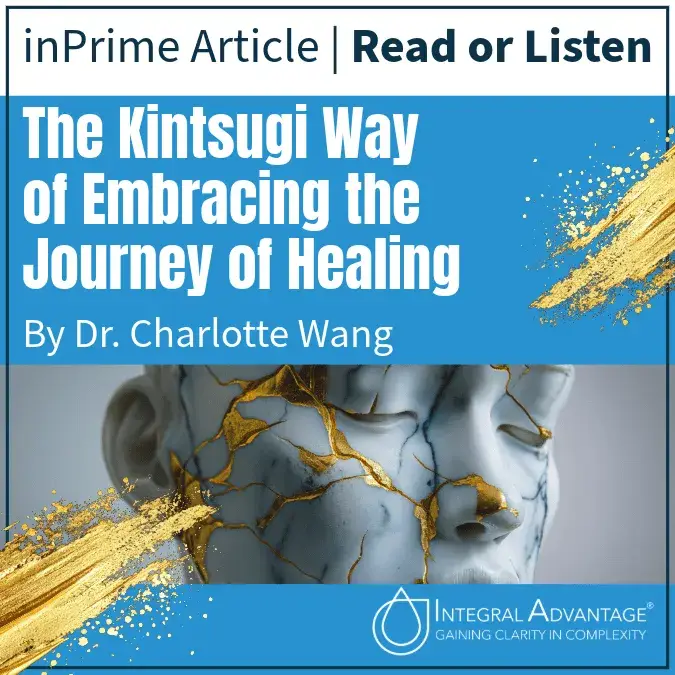
Learn about the book on this page, and you can also read/listen to the free article by the same title.

NOW AVAILABLE

Paperback, Hardcover, eBook, and Audio

Also Available:

The Kintsugi Way

of Embracing the Journey of Healing

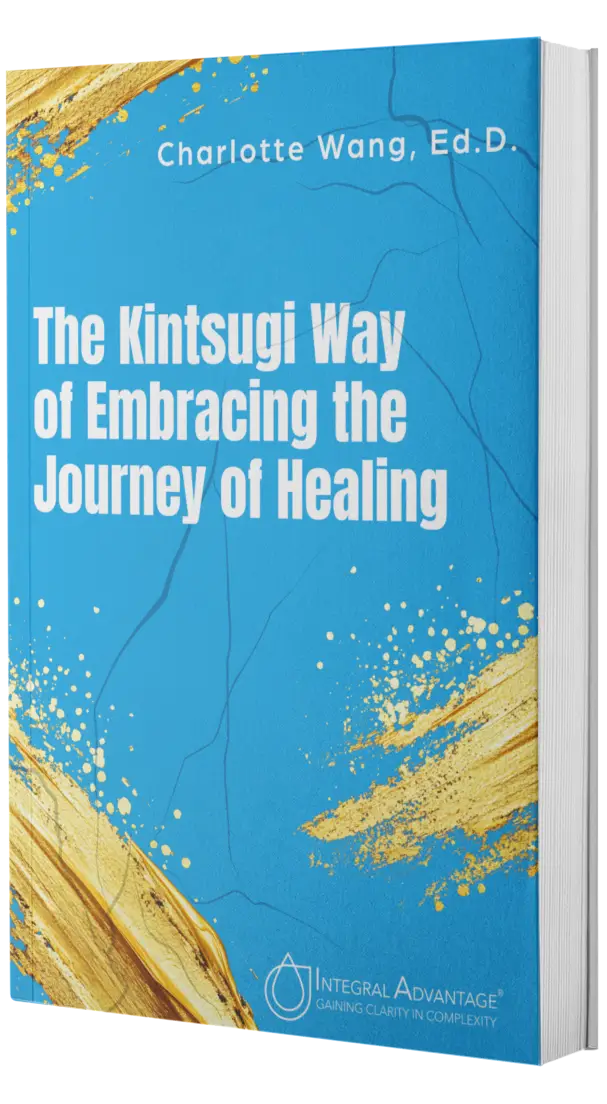
The Kintsugi Way of Embracing the Journey of Healing is a reflective and inspiring guide that explores how we can transform pain into purpose and setbacks into growth. Blending Eastern philosophy with modern psychological insight, it challenges the notion that time alone heals all wounds. Instead, it offers a compassionate and intentional path toward integration, self-compassion, and renewal. Drawing from the wisdom of wabi-sabi—the appreciation of imperfection and impermanence—the book speaks to those navigating personal transformation.

With clarity and warmth, Dr. Charlotte Wang encourages readers to reframe their life challenges as opportunities to grow stronger and more authentic. The golden seams of Kintsugi become symbols not of damage, but of strength, wisdom, and survival. This is not just philosophy, it’s practice. A way of seeing. A way of being.

About the Author

Charlotte Wang, Ed.D., is an educator, leadership consultant, and partner at Integral Advantage®, a leadership development and strategic consulting firm. With over two decades of experience spanning the public and private sectors, Dr. Wang brings a human-centered, interdisciplinary lens to the fields of education, psychology, and leadership. Her work has been recognized with national awards for excellence in equity and innovation in education. In both her teaching and writing, she is known for blending insight with empathy—and for helping people see themselves with new eyes.

For Dr. Wang, Kintsugi is more than a metaphor. It is a spiritual and psychological framework that offers readers a way to understand grief, loss, trauma, and personal reinvention through the lens of dignity and renewal, reminding us that wholeness is not the absence of wounds, but the integration of them. Early readers and educators have called the book “profoundly validating,” “visually beautiful,” and “a gentle companion during the hardest chapters of life.” Its rich integration of cross-cultural perspectives and emotional intelligence makes it a valuable resource for both individuals and practitioners.
Reader Reviews